

Peptides. The Real Fountain of Youth
What are the differences between Ozempic, Wegovy, Tirzepatide and Retatrutide Weight Loss Peptides?
What are the differences between Ozempic, Wegovy, Tirzepatide and Retatrutide Weight Loss Peptides?
Ozempic (Semaglutide):
- Class: GLP-1 receptor agonist.
- Purpose: Primarily used to manage type 2 diabetes, but also approved for weight loss.
- Mechanism: It mimics the GLP-1 hormone, enhancing insulin secretion, reducing appetite, and slowing gastric emptying.
Wegovy (Semaglutide):
- Class: GLP-1 receptor agonist, same active ingredient as Ozempic.
- Purpose: Specifically approved for weight loss, though it also helps with type 2 diabetes.
- Mechanism: Works similarly to Ozempic, focusing on appetite suppression and metabolic improvements.
Mounjaro (Tirzepatide):
- Class: Dual GLP-1 and GIP receptor agonist.
- Purpose: Approved for type 2 diabetes, and also shows significant weight loss benefits.
- Mechanism: Combines the effects of both GLP-1 and GIP, leading to enhanced insulin sensitivity, appetite suppression, and improved metabolic function.
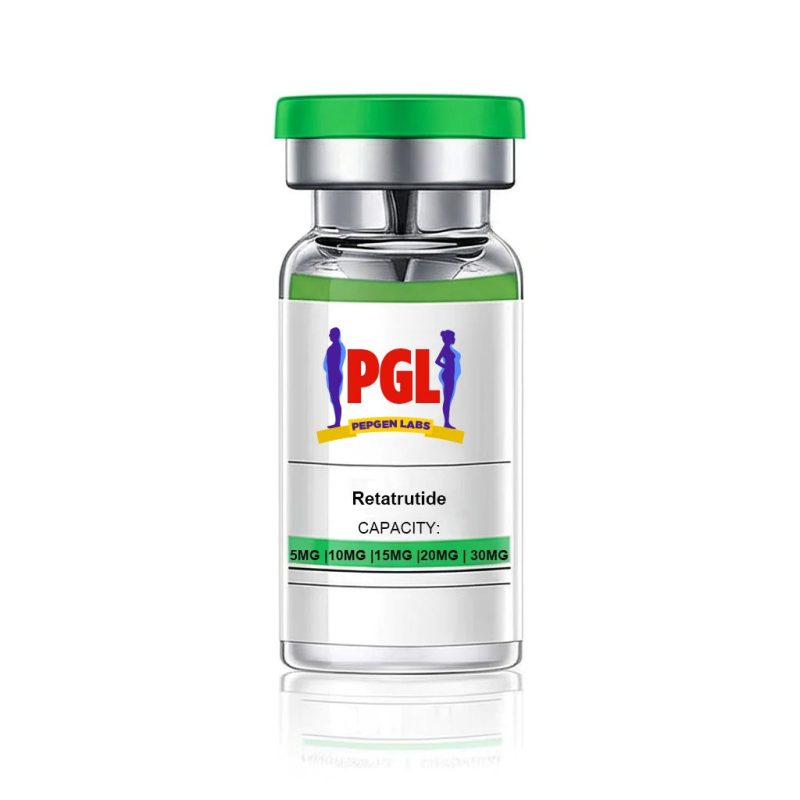
Retatrutide (Retatrutide):
- Class: GLP-1 receptor agonist, often combined with other pathways for enhanced effect.
- Purpose: Promotes weight loss and improves metabolic health.
- Mechanism: Similar to other GLP-1 agonists but with unique modifications to enhance its effects on weight loss and energy expenditure.
Key Differences:
- Receptor Targeting: Ozempic and Wegovy focus solely on GLP-1, while Mounjaro targets both GLP-1 and GIP, offering a broader metabolic effect.
- Weight Loss Potency: Terzepatide (Mounjaro) and RetatruTide often demonstrate more significant weight loss results compared to standard GLP-1 agonists.
- Clinical Use: Ozempic and Wegovy are more established for both diabetes and weight loss, while Mounjaro and Retatrutide are newer, offering innovative approaches.
