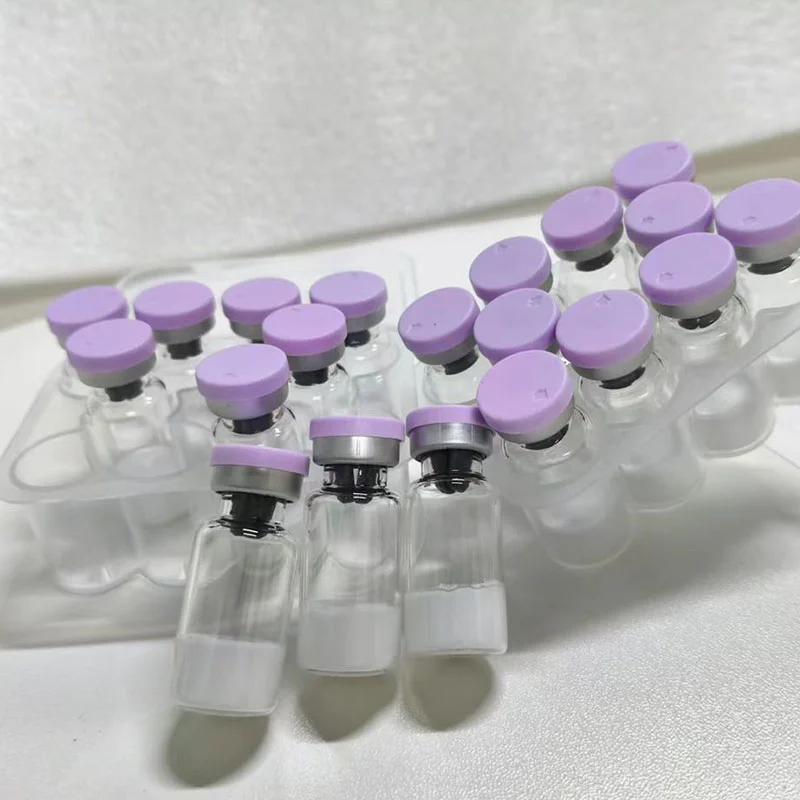

Peptides. The Real Fountain of Youth
How SLU-PP-332 Works
How SLU-PP-332 Works
SLU-PP-332’s main mechanism centers on activating Estrogen-Related Receptors (ERRs) — nuclear receptors that regulate large gene networks tied to cellular energy metabolism, mitochondrial function, and fat utilization.
Here’s a breakdown of its biological actions:
1. ERR Activation and Gene Regulation
SLU-PP-332 binds to ERRs (especially ERRα), stabilizing their active form and helping them recruit coactivator proteins like PGC-1α, a master controller of mitochondrial biogenesis. This drives the transcription of genes involved in:
- Mitochondrial creation and function
- Fatty acid oxidation and utilization
- Glucose metabolism
- Oxidative phosphorylation (the process cells use to make energy)
2. Mitochondrial Biogenesis and Energy Production
Activating the ERR-PGC-1α pathway leads to more and better-functioning mitochondria — the “powerhouses” of cells — which boosts ATP production and overall energy capacity at a cellular level.
3. Metabolic Shifts
SLU-PP-332 enhances fatty acid oxidation (turning fat into energy) and improves metabolic flexibility — the body’s ability to switch between fuel sources like fats and carbs efficiently.
These mechanisms are part of why researchers refer to SLU-PP-332 as an “exercise mimetic”: it activates many of the same cellular pathways that endurance training does, without requiring physical stress.
Potential Effects Observed in Research
In preclinical (animal and cell) studies — not in approved human clinical trials — SLU-PP-332 has been associated with:
✅ Enhanced mitochondrial function and number
✅ Increased fat oxidation and energy expenditure
✅ Improved metabolic health markers (e.g., insulin sensitivity)
✅ Exercise-like adaptations in muscle tissue (more oxidative, fatigue-resistant fibers)
✅ Potential reduction in adiposity (body fat)
Because of these effects, scientists are exploring SLU-PP-332 in metabolic research related to obesity, metabolic syndrome, insulin resistance, aging metabolism, and exercise physiology.
Summary — What It Does and Why It’s Studied
| Feature | SLU-PP-332 Research Insights |
| Type | Synthetic ERR agonist — not a traditional peptide |
| Mechanism | Activates ERRα/β/γ → boosts mitochondrial genes & metabolism |
| Metabolic Impact | Increases fat oxidation and energy production |
| Exercise Mimicry | Induces cellular changes similar to endurance training |