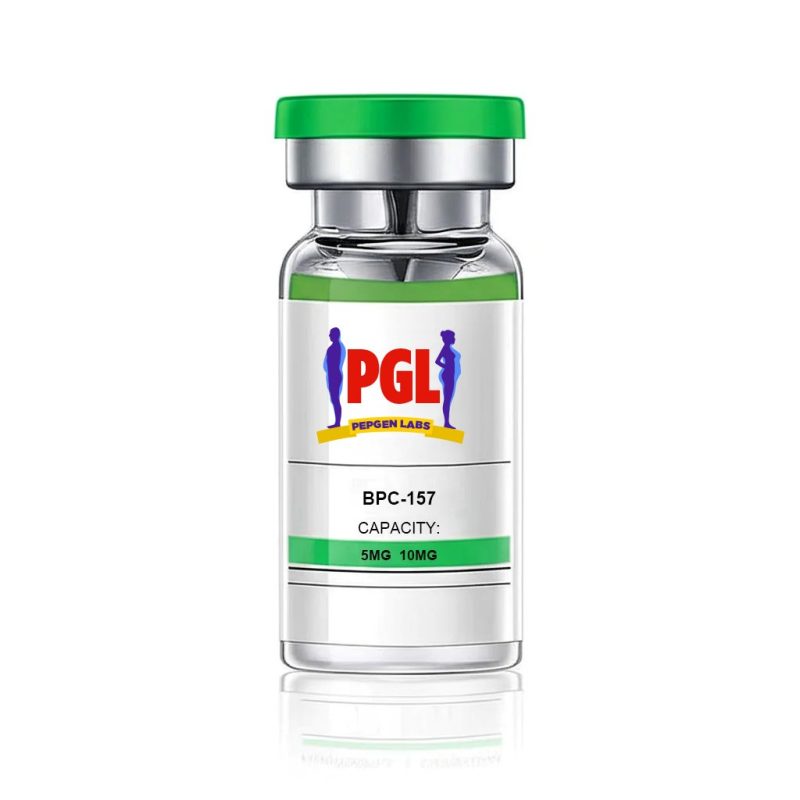
BPC-157 is a synthetic peptide derived from a naturally occurring protein found in the stomach. Also known as Body Protection Compound-157, it has been extensively researched for its remarkable healing properties. Originally isolated from a larger protein called GIT (Gastrointestinal Tract) protein, BPC-157 has gained significant attention in both the medical and athletic communities due to its potential to accelerate recovery and reduce inflammation.
BPC-157 is known for its ability to promote healing in various tissues, including muscles, tendons, ligaments, and even the gut lining. It works by enhancing angiogenesis (the formation of new blood vessels), reducing inflammation, and stimulating cell proliferation. This makes it particularly popular among athletes and those recovering from injuries, as it may shorten recovery time, alleviate pain, and improve mobility.
In terms of dosing, BPC-157 is most commonly administered via subcutaneous injection. Typical doses range from 200 to 500 micrograms per day, although protocols vary depending on the condition being treated. Some users may administer it daily for a short period (such as a few weeks) or several times per week, depending on their needs. It is generally well-tolerated, with few reported side effects.
The effects of BPC-157 on the body are broad. Beyond tissue repair, it may reduce gastrointestinal inflammation, support gut barrier integrity, and even help with neuroprotection. Historically, BPC-157 was studied primarily in animal models, especially for gut healing and injury repair, but its promising results sparked human interest. Today, it’s often used off-label by those seeking enhanced recovery from injuries or chronic conditions. As with any peptide, it’s important to consult a healthcare professional before use, ensuring proper dosing and safety.