
Peptides. The Real Fountain of Youth
What is BAC Water
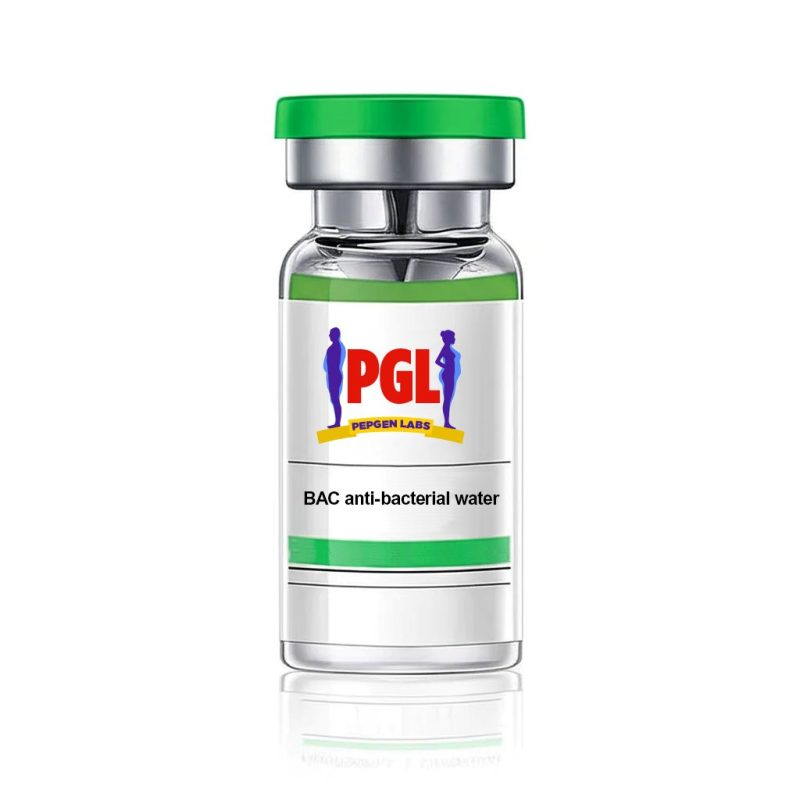
BAC water, often referred to as antibacterial water, is specially treated water designed to be free of microbial contaminants, and it plays a critical role when handling lyophilized peptides. Lyophilized peptides, which are peptides in a freeze-dried form, are extremely sensitive to contamination. Even minor impurities in the water used for reconstitution—like bacteria, fungi, or other pathogens—can compromise the peptide’s integrity, stability, and safety. Thus, using antibacterial water is a foundational step in ensuring that the peptides remain pure, effective, and free from risk of infection.
The importance of using antibacterial water lies in the delicate nature of peptides themselves. These biological molecules are designed to have precise structures and functions, often acting as hormones or signaling molecules in the body. If contaminated, these peptides can cause unexpected immune responses or infections, potentially causing harm. Antibacterial water, often sterile and filtered, is specifically designed to eliminate bacterial or microbial risks, ensuring that the reconstitution process preserves the peptide’s stability and biological activity.
When preparing lyophilized peptides, the process typically involves adding a precise volume of antibacterial water to the peptide vial, allowing it to fully dissolve. This ensures that the peptide solution is uniform and free from contaminants. After reconstitution, the peptide can be drawn into a syringe for injection or further use. The integrity of the peptide depends heavily on this step, so any shortcuts or non-sterile water can undermine the peptide’s potency or safety.
In short, antibacterial water is not just a precaution; it is a necessity when dealing with lyophilized peptides. By using it, you ensure that the peptides remain uncontaminated, stable, and fully effective, providing the intended therapeutic outcomes without unnecessary risk.
Order BAC Water