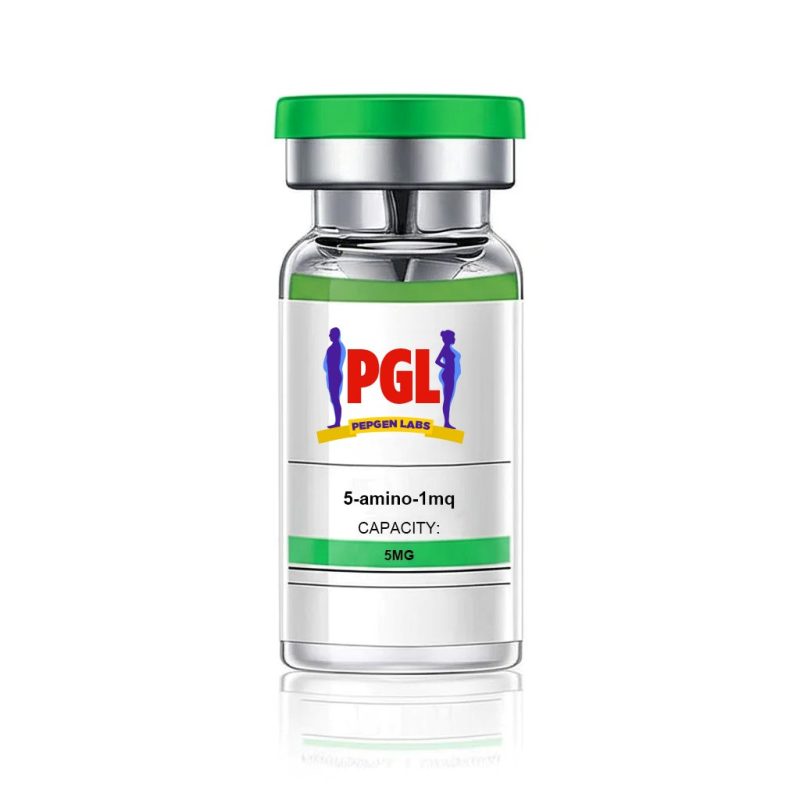

5-Amino-1MQ Peptide: A Detailed Guide to Fat Loss, Metabolism, and Dosing
Peptides have become one of the most discussed tools in modern metabolic and longevity research. Among the newer compounds gaining attention is 5-Amino-1MQ, a small molecule often grouped into peptide-related metabolic compounds because of how it interacts with cellular pathways that regulate fat storage and energy use.
Researchers and metabolic health enthusiasts are increasingly interested in 5-Amino-1MQ because it targets a specific enzyme involved in fat metabolism. By influencing how the body processes energy at the cellular level, the compound may support fat reduction, improved metabolic efficiency, and better body composition.
This article explores what 5-Amino-1MQ is, how it works in the body, its potential benefits, and typical dosing protocols discussed in research settings.
What Is 5-Amino-1MQ?
5-Amino-1MQ is a compound that functions as an NNMT inhibitor.
NNMT stands for Nicotinamide N-methyltransferase, an enzyme involved in regulating energy metabolism and fat storage inside cells. Elevated NNMT activity has been linked to:
-
Increased fat accumulation
-
Slower metabolic activity
-
Reduced cellular energy efficiency
By inhibiting NNMT, 5-Amino-1MQ may shift the body toward burning energy rather than storing it, which is why it is commonly discussed in relation to metabolic health and fat loss.
Unlike some peptides that stimulate hormones directly, 5-Amino-1MQ works at the cellular metabolic level, influencing how cells use nutrients and generate energy.
How 5-Amino-1MQ Works in the Body
The compound works through several mechanisms related to metabolism and energy production.
1. NNMT Enzyme Inhibition
NNMT is involved in regulating cellular NAD+ pathways and fat metabolism.
When NNMT activity is high:
-
Cells tend to store more fat
-
Energy metabolism slows
-
Fat burning becomes less efficient
By inhibiting this enzyme, 5-Amino-1MQ may encourage the body to burn stored fat more efficiently.
2. Increased Cellular Energy Use
Research suggests that blocking NNMT activity may increase energy expenditure inside cells, which can lead to:
-
Improved metabolic rate
-
Reduced fat accumulation
-
Higher mitochondrial activity
This mechanism is one reason the compound is sometimes compared to metabolic peptides used in body composition protocols.
3. Potential NAD+ Pathway Effects
Because NNMT interacts with nicotinamide metabolism, inhibiting it may indirectly influence NAD+ levels, which play a key role in:
-
Energy production
-
Cellular repair
-
Longevity pathways
-
mitochondrial efficiency
Potential Benefits of 5-Amino-1MQ
Although research is still developing, several potential benefits have been proposed.
Fat Loss Support
One of the most discussed uses of 5-Amino-1MQ is its role in fat reduction.
By shifting metabolism away from fat storage and toward energy use, some users report:
-
Reduced body fat
-
Improved body composition
-
easier weight loss when dieting
Improved Metabolic Health
NNMT activity has been linked with metabolic disorders, including obesity and insulin resistance.
By regulating this pathway, 5-Amino-1MQ may support:
-
healthier glucose metabolism
-
better insulin sensitivity
-
improved metabolic efficiency
Increased Energy and Endurance
Because the compound may increase mitochondrial activity and cellular energy usage, some people report:
-
higher energy levels
-
better workout endurance
-
faster recovery from exercise
Possible Anti-Aging and Longevity Effects
Through its connection to NAD+ metabolism and mitochondrial health, 5-Amino-1MQ is sometimes discussed in the context of longevity research.
Potential areas of interest include:
-
improved cellular repair
-
healthier aging pathways
-
increased metabolic efficiency over time
Typical Dosing Protocols Discussed in Research
There is currently no universally standardized medical dosage, but research protocols and anecdotal reports tend to fall within a general range.
Common Research Dose
Typical research dosing ranges:
50 mg – 150 mg per day
Many protocols divide this dose into two administrations per day.
Example structure:
Morning dose: 50 mg
Evening dose: 50 mg
Total daily dose: 100 mg
Cycle Length
Common cycles discussed in peptide communities include:
4–8 weeks
After a cycle, many individuals take a 2–4 week break before beginning another cycle.
Forms of Administration
5-Amino-1MQ is commonly available as:
-
oral capsules
-
oral liquid solutions
-
injectable research preparations
The oral version is most common because the compound has reasonable oral bioavailability.
When Results May Become Noticeable
Results vary depending on diet, activity level, and metabolic health.
General timelines reported:
Week 1–2
-
subtle increases in energy
-
mild appetite changes
Week 3–4
-
noticeable fat loss in some individuals
-
improved metabolic efficiency
Week 6–8
-
more visible body composition improvements
-
increased endurance and metabolic stability
For best results, most users combine the compound with:
-
a high-protein diet
-
resistance training
-
regular cardiovascular activity
Safety Considerations
Because 5-Amino-1MQ is still primarily used in research settings, long-term human data is limited.
Potential considerations include:
-
start with a lower dose
-
monitor metabolic changes
-
avoid stacking with unknown metabolic compounds
-
consult a qualified medical professional before use
Individuals with metabolic conditions should be particularly cautious.
Combining 5-Amino-1MQ With Other Peptides
Some metabolic protocols combine 5-Amino-1MQ with other peptides that influence fat metabolism or growth hormone pathways.
Examples sometimes discussed include:
-
GLP-1 related compounds
-
growth hormone secretagogues
-
metabolism-support peptides
The idea is to target multiple metabolic pathways simultaneously for improved body composition results.
Final Thoughts
5-Amino-1MQ represents an interesting development in metabolic research. Rather than acting through hormone stimulation alone, it works by influencing the NNMT enzyme and cellular metabolism, potentially shifting the body toward increased energy expenditure and reduced fat storage.
While research is still evolving, early findings and anecdotal reports suggest the compound may support:
-
fat loss
-
metabolic health
-
improved energy utilization
-
better body composition