

Peptides. The Real Fountain of Youth
Why Are Peptides Lyophilized?
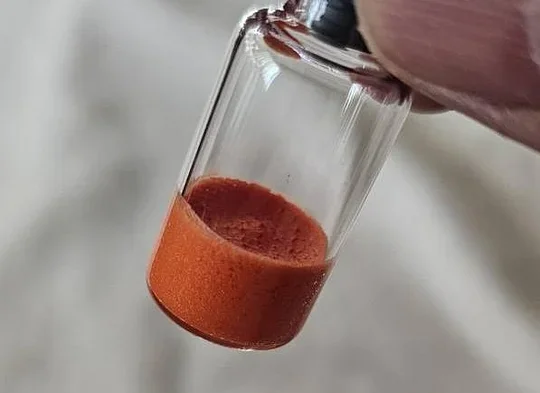
Why Are Peptides Lyophilized?
Lyophilization, or freeze-drying, is a process that removes water from peptides, turning them into a stable, powder-like form. This process helps extend their shelf life and maintain their stability. Peptides are often sensitive to heat, moisture, and light, and lyophilization helps prevent degradation, making them easier to store and transport.
Storage and Reconstitution:
When you first reconstitute lyophilized peptides by adding sterile water, the resulting solution is more susceptible to degradation. Therefore, once reconstituted, it’s important to store the peptide in the refrigerator, typically at around 2 to 8 degrees Celsius (36 to 46 degrees Fahrenheit). This helps preserve the peptide’s stability and potency.
Key Tips for Storing Reconstituted Peptides:
- Refrigeration: Always keep the reconstituted peptide in the fridge and avoid freezing it, as freezing can cause peptide degradation.
- Minimize Light and Air Exposure: Store the peptide in an opaque, airtight container to protect it from light and air, both of which can accelerate degradation.
- Short-Term Storage: Reconstituted peptides are generally stable for a few weeks to a couple of months when stored properly in the fridge.
- Avoid Repeated Freeze-Thaw Cycles: Each freeze-thaw cycle can damage the peptide, so it’s best to keep it at a stable temperature and only reconstitute what you need.
Conclusion:
Lyophilized peptides offer stability and longer shelf life, and proper storage after reconstitution is key to maintaining their effectiveness. By refrigerating them and minimizing exposure to light and air, you can ensure that the peptides remain potent and effective.
